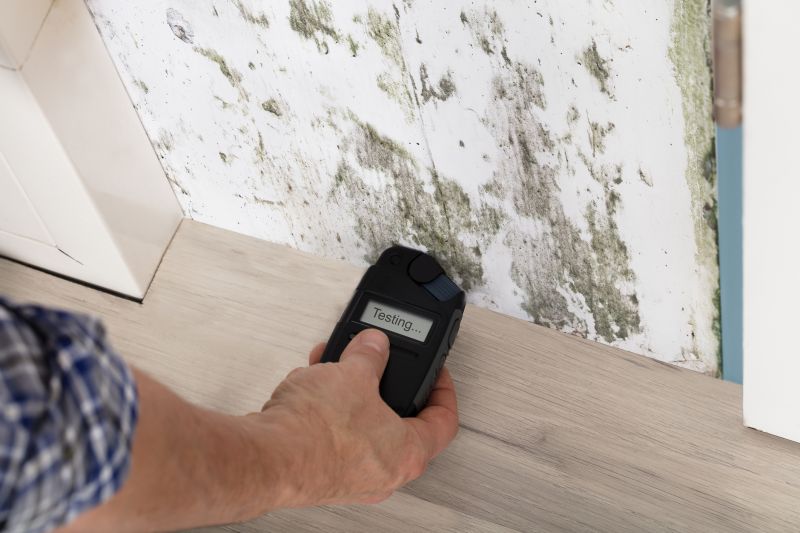
Mold Detection in Fort Worth, TX
Mold detection services involve identifying the presence of mold growth within a property, often through thorough inspections and specialized testing methods. These services are commonly requested for projects such as post-water damage assessments, ongoing moisture issues, or suspected mold growth behind walls, ceilings, or in hidden areas. Property owners typically seek mold detection to understand if mold is present, determine its extent, and decide on appropriate remediation steps to protect indoor air quality and overall property health.
Before requesting mold detection, homeowners usually want to know what areas will be examined, the types of testing involved, and how the results will be presented. Clear understanding of the scope of the inspection and the potential implications of finding mold can help in making informed decisions about necessary repairs or treatments. Accurate detection can assist in addressing underlying moisture problems and preventing future mold-related issues, ensuring a healthier living environment.
Many property owners in Fort Worth, TX look into Mold Detection for repairs, replacements, upgrades, and appearance-related improvements.
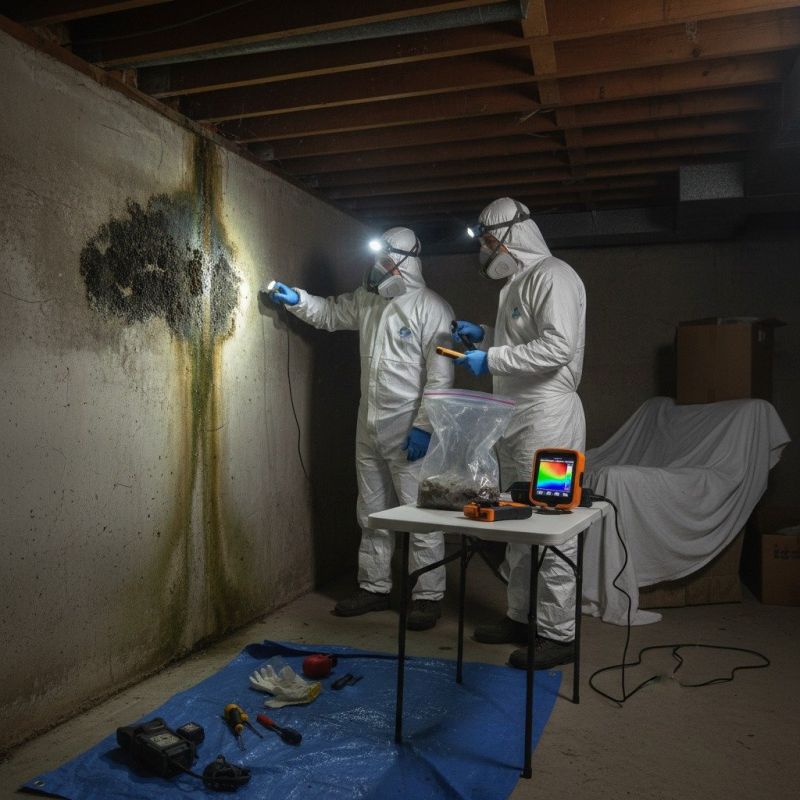
Identifying Hidden Mold
Detects mold presence in hard-to-see areas of residential and commercial properties.
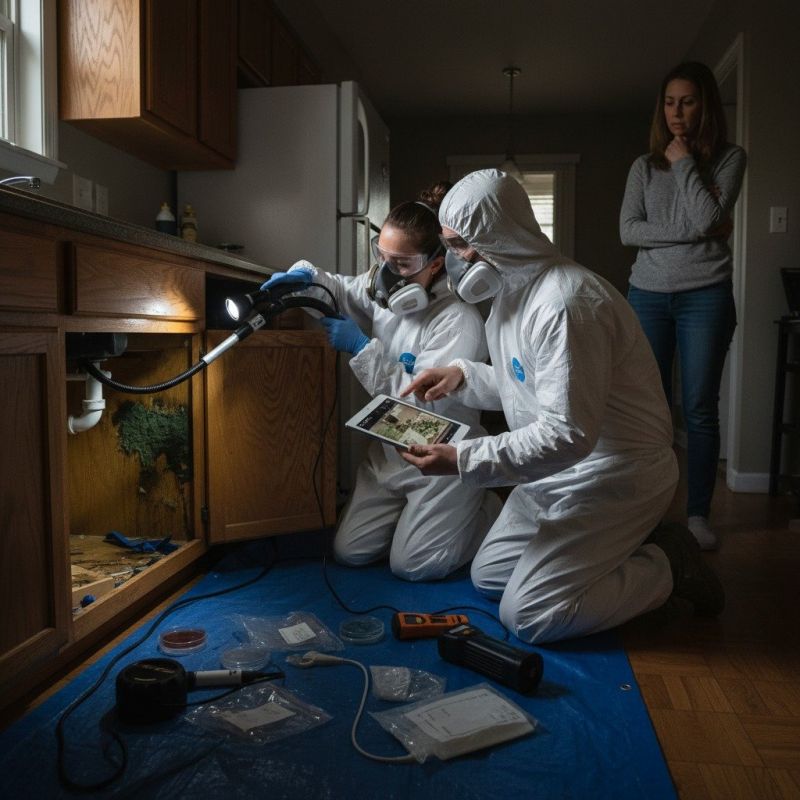
Assessing Mold Risks
Evaluates potential health hazards and property damage caused by mold growth.
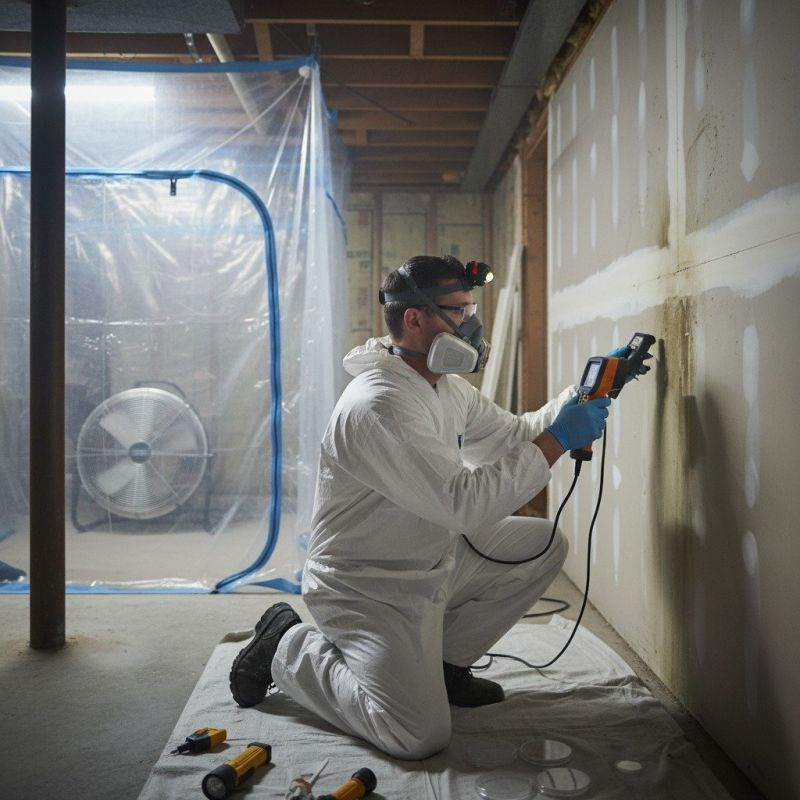
Preventing Mold Spread
Provides insights to stop mold from spreading further within homes and buildings in fort worth, tx.
Mold Detection in Fort Worth, TX
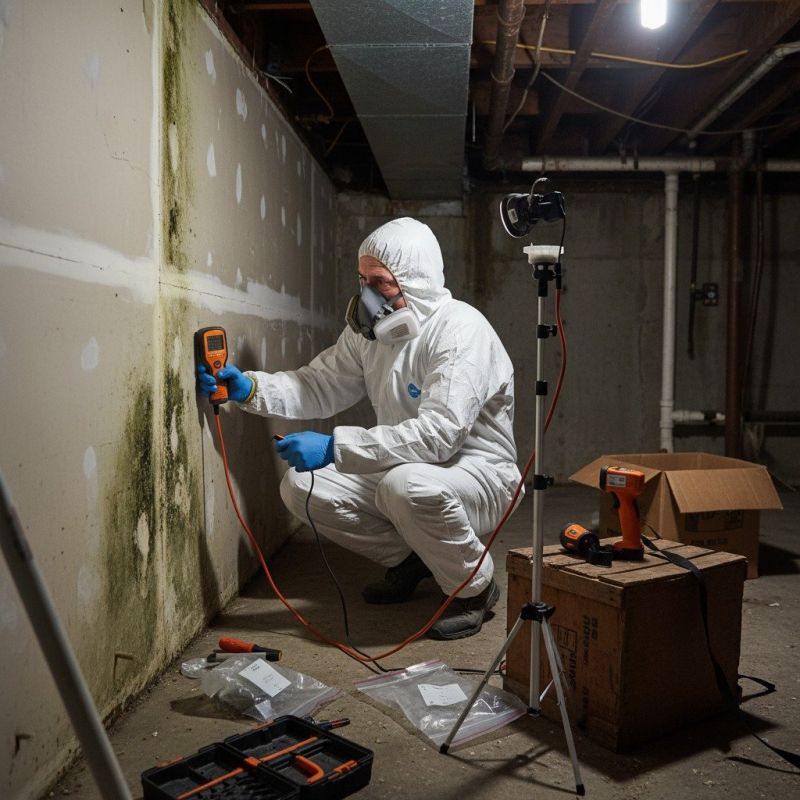
Mold detection services involve identifying the presence of mold growth within a property, often through thorough inspections and specialized testing methods. These services are commonly requested for projects such as post-water damage assessments, ongoing moisture issues, or suspected mold growth behind walls, ceilings, or in hidden areas. Property owners typically seek mold detection to understand if mold is present, determine its extent, and decide on appropriate remediation steps to protect indoor air quality and overall property health.
Before requesting mold detection, homeowners usually want to know what areas will be examined, the types of testing involved, and how the results will be presented. Clear understanding of the scope of the inspection and the potential implications of finding mold can help in making informed decisions about necessary repairs or treatments. Accurate detection can assist in addressing underlying moisture problems and preventing future mold-related issues, ensuring a healthier living environment.
Many property owners in Fort Worth, TX look into Mold Detection for repairs, replacements, upgrades, and appearance-related improvements.
Common Mold Detection Jobs
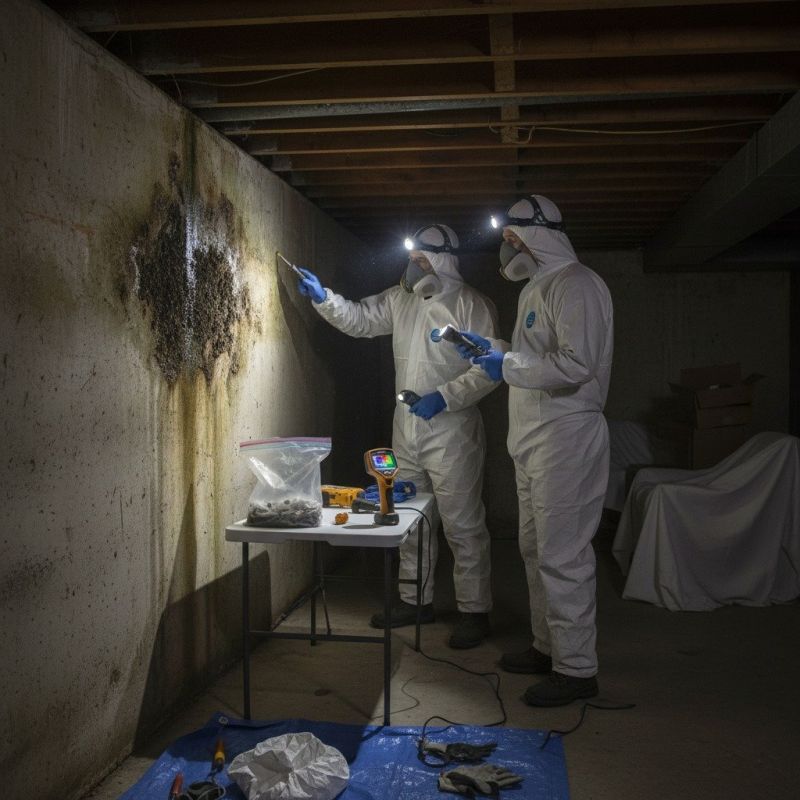
Mold Inspection - identifies hidden mold growth inside walls, ceilings, and other surfaces.
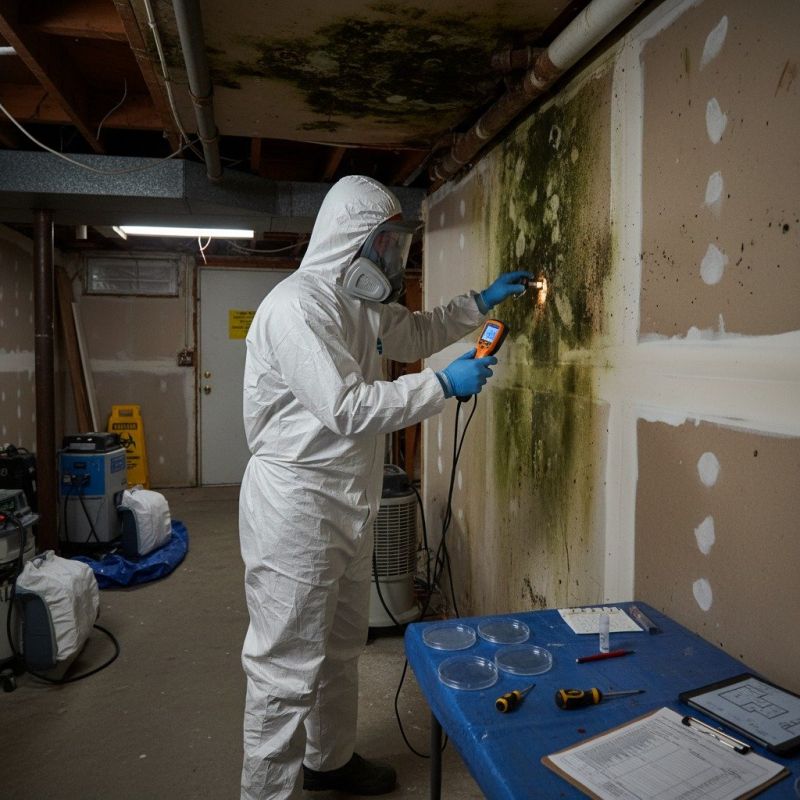
Moisture Testing - detects excess moisture that can lead to mold development.
Air Quality Testing - measures airborne mold spores to assess indoor air safety.
Visual Mold Assessment - examines visible signs of mold and water damage in the property.
Post-Remediation Testing - confirms mold removal efforts were successful and mold levels are safe.
Black Mold Detection - identifies the presence of toxic mold strains that may pose health risks.
Mold Detection Questions
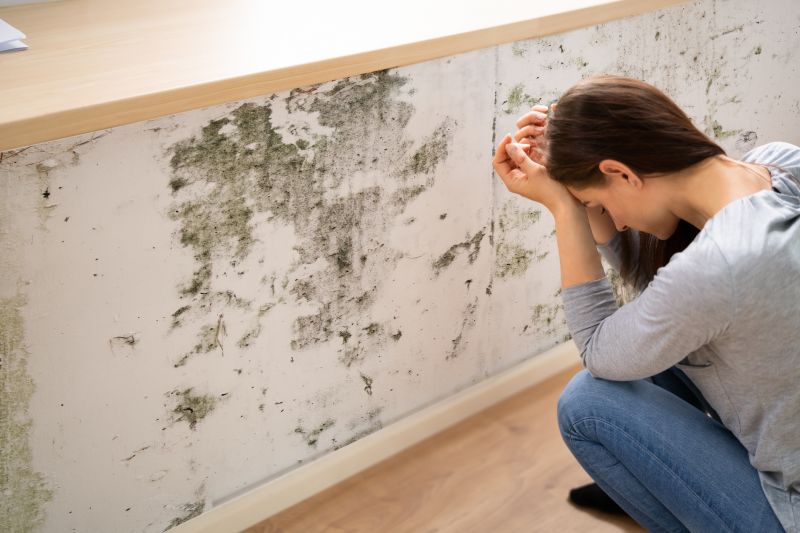
How can I tell if I have mold in my property? Signs of mold include visible spots, musty odors, or increased allergy symptoms indoors.
What areas are most at risk for mold growth? Areas with excess moisture, such as bathrooms, basements, and around leaks, are common spots for mold.
Why is mold detection important? Detecting mold early helps prevent health issues and property damage caused by mold growth.
What methods are used for mold detection? Non-invasive inspections and air quality testing are common to identify mold presence and levels.
Request Mold Detection in Fort Worth, TX
Use the quote form on this page to share the basics of your project and request more information for the type of work you need.